50% off
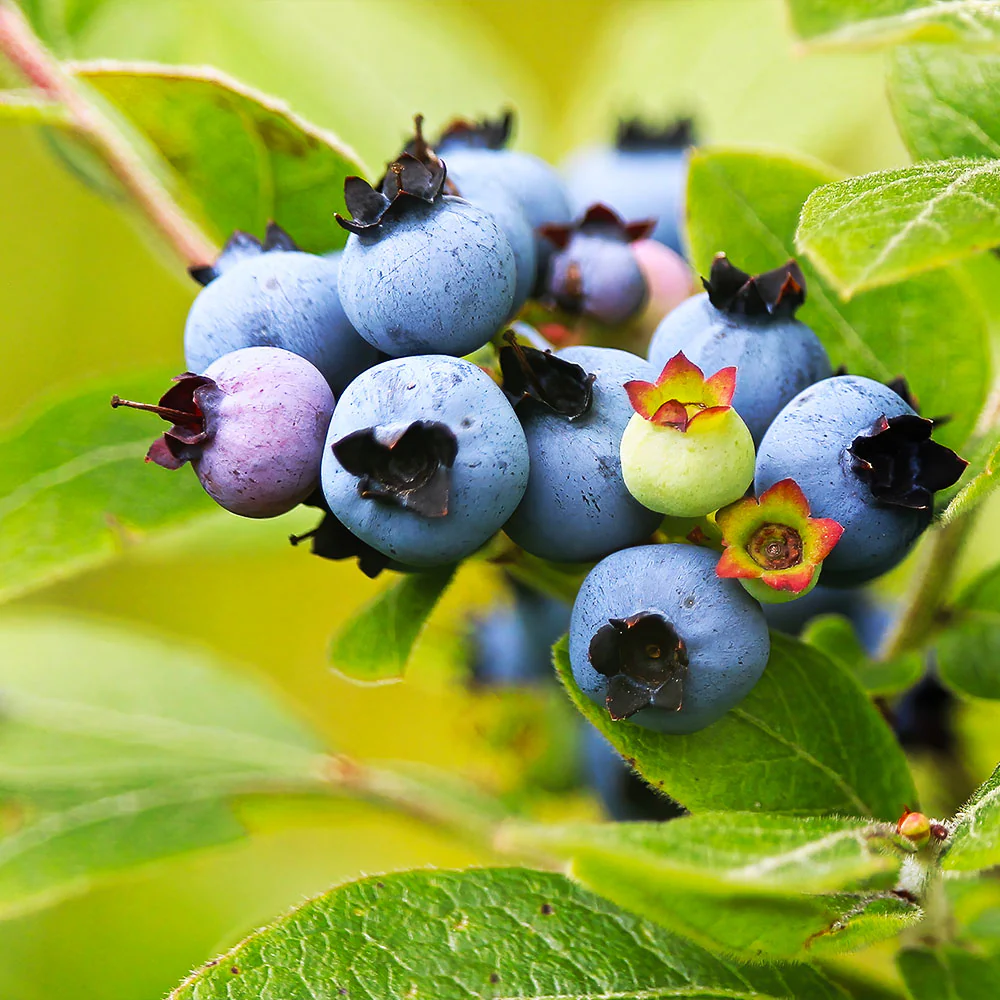
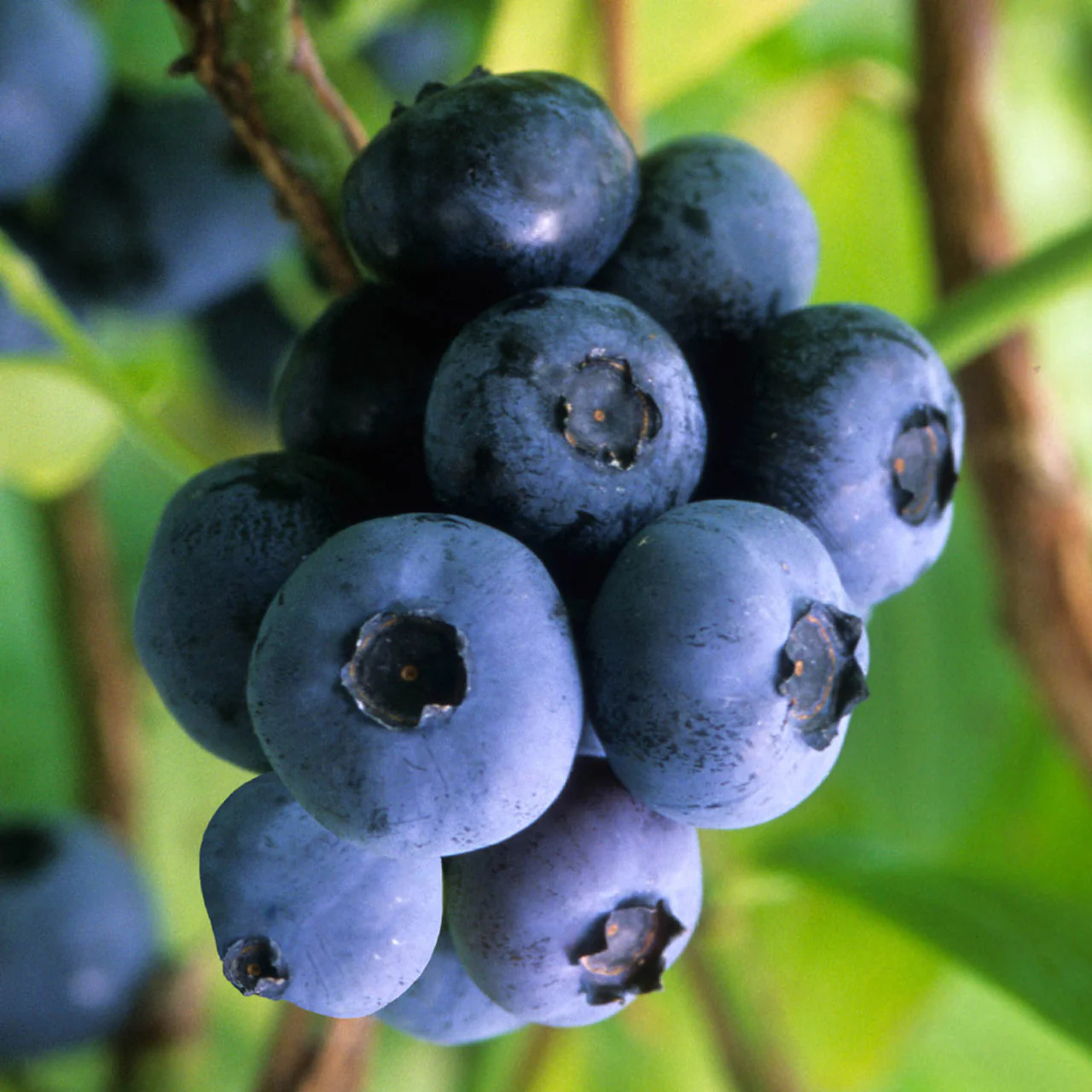
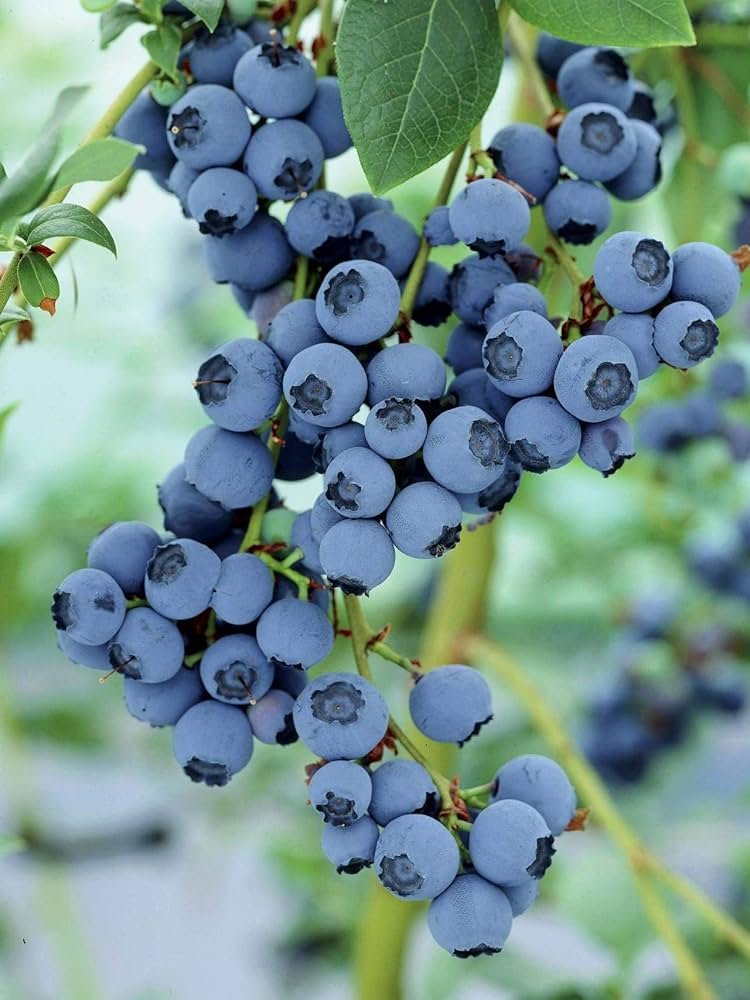
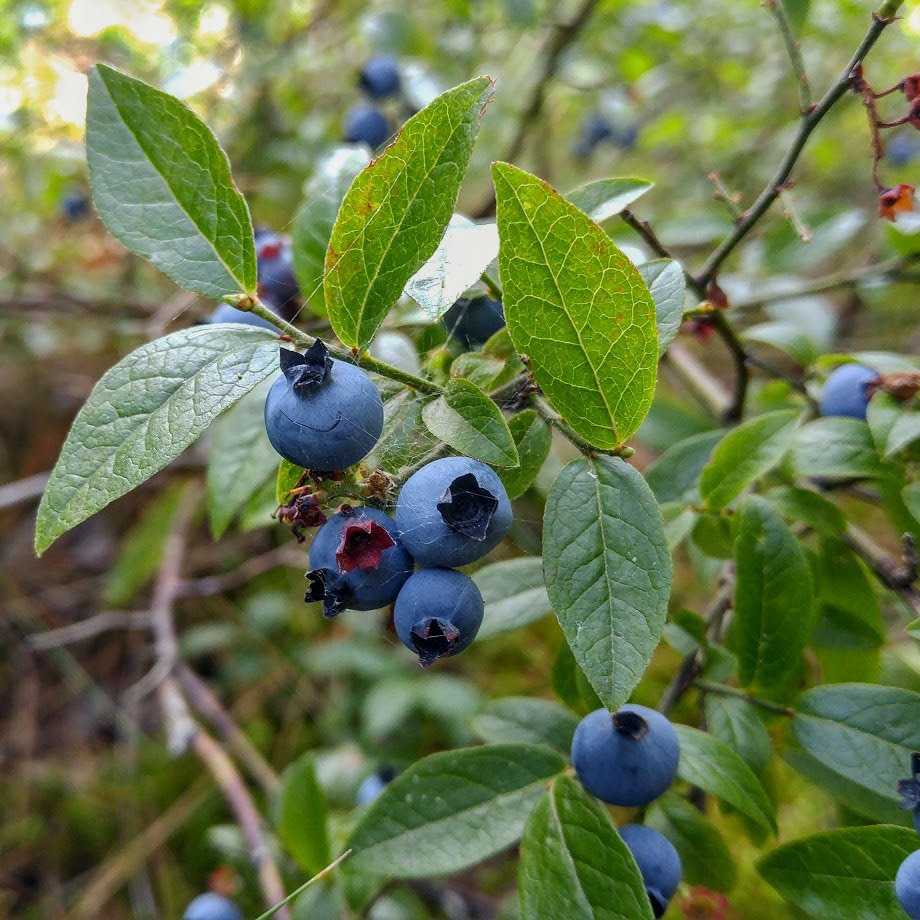
Blueberry Grafted Live Fruit Plant(Height1.5-3Feet)
₹699.00Current price is: ₹699.00. Original price was: ₹1,399.00.
Get Delivered With In 5-7 Days
Free Delivery & 7 Days Return Policy (Wrong & Damage Item Only)
Buy Now
Add to cart
Product Description
🫐Blueberry Grafted Live Fruit Plant(Height1.5-3Feet)
Here’s a detailed description of a grafted live Blueberry fruit plant (~1.5‑3 ft height) tailored for Indian home/terrace gardening — what to expect, how to care for it, and what to check for.
🪴Key features:
- Grafted for enhanced performance: Grafting combines the best attributes of two plants. The high-quality blueberry fruit comes from the top portion (the scion), while the rootstock provides advantages such as increased vigor, disease resistance, or better adaptability to challenging soil types.
- Rapid fruiting: Due to the grafting process, the plant can begin producing fruit much sooner—often within one year—compared to bushes grown from seed or cuttings.
- Ideal for home growing: With its manageable size and enhanced hardiness, this plant is well-suited for a variety of home growing situations, including outdoor gardens, patio containers, or raised beds.
- Ornamental value: Beyond its delicious fruit, the blueberry bush adds visual appeal to your garden. It features lush green foliage, delicate white or pink bell-shaped flowers in the spring, and beautiful reddish foliage in the autumn.
🌞Basic care requirements :
-
- Sunlight: The plant requires plenty of sunlight to produce an optimal harvest. A location with at least 6 to 8 hours of direct sun per day is ideal.
- Soil: Blueberries are acid-loving plants and must have well-draining soil with a low pH, ideally between 4.5 and 5.5. If your soil is alkaline, it is best to grow the plant in a pot with ericaceous potting mix.
- Watering: The soil should be kept consistently moist but not waterlogged. Watering should be deep to promote strong root growth, and a thick layer of acidic mulch like pine bark or sawdust can help retain moisture.
- Fertilizing: For established plants (usually not in the first year), use a balanced, slow-release fertilizer formulated for acid-loving plants. Overfeeding should be avoided, as it can damage the plant.
- Pruning: In the first couple of years, minimal pruning is needed. After that, prune during the late winter or early spring dormancy to remove damaged or rubbing canes and encourage more productive growth.


Reviews
There are no reviews yet.